
Gempa

Campaña
TALUD IV

Continuando la misión de las previas campañas Talud Continental, explorando la diversidad y distribución de las comunidades del fondo marino en uno de los cañones profundos más grandes del país, la Campaña Talud Cojntinental IV representó la primera oportunidad para que científicos argentinos utilicen el conjunto de laboratorios, sonares, landers y ROV de clase científica del Falkor (too) para mapear y visualizar el fondo profundo del cañón de Mar del Plata.

A pesar de las previas campañas realizadas en el Cañón submarino de Mar del Plata, la distribución de los ecosistemas dentro del cañón y sus estructuras ecológicas aún se comprenden poco. Utilizando el ROV SuBastian, los científicos realizaron las primeras observaciones in situ de esta enorme formación submarina y documentaron la biodiversidad que alberga. La expedición —dirigida por el Dr. Daniel Lauretta, del Museo Argentino de Ciencias Naturales Bernardino Rivadavia – CONICET, Argentina— estableció una sólida base para futuras investigaciones, conservación y gestión de recursos.

Sumado al uso del ROV se llevaron a cabo otras metodologías:

Se añadió una trampa para crustáceos y zooplancton al lander del barco con el fin de evaluar poblaciones de plancton y anfípodos, para estudiar la diversidad y distribución de especies carroñeras en el cañón, ya que son muy pequeñas y difíciles de detectar o capturar con el ROV.

Se recolectó ADN ambiental (eDNA) mediante un muestreador de eDNA integrado en el SuBastian. La evidencia de la presencia de animales, dejada en forma de piel desprendida u otro material genético, permite a los científicos evaluar qué animales habitan en el entorno, incluso si no pueden observarlos directamente.

Se tomaron muestras de sedimento para estudiar el ciclo del carbono y la basura marina. El cañón se encuentra frente a la provincia de Buenos Aires, la región más grande y poblada de Argentina, con más de 17 millones de personas, y el equipo científico anticipa documentar residuos marinos y contaminación plástica en el cañón.

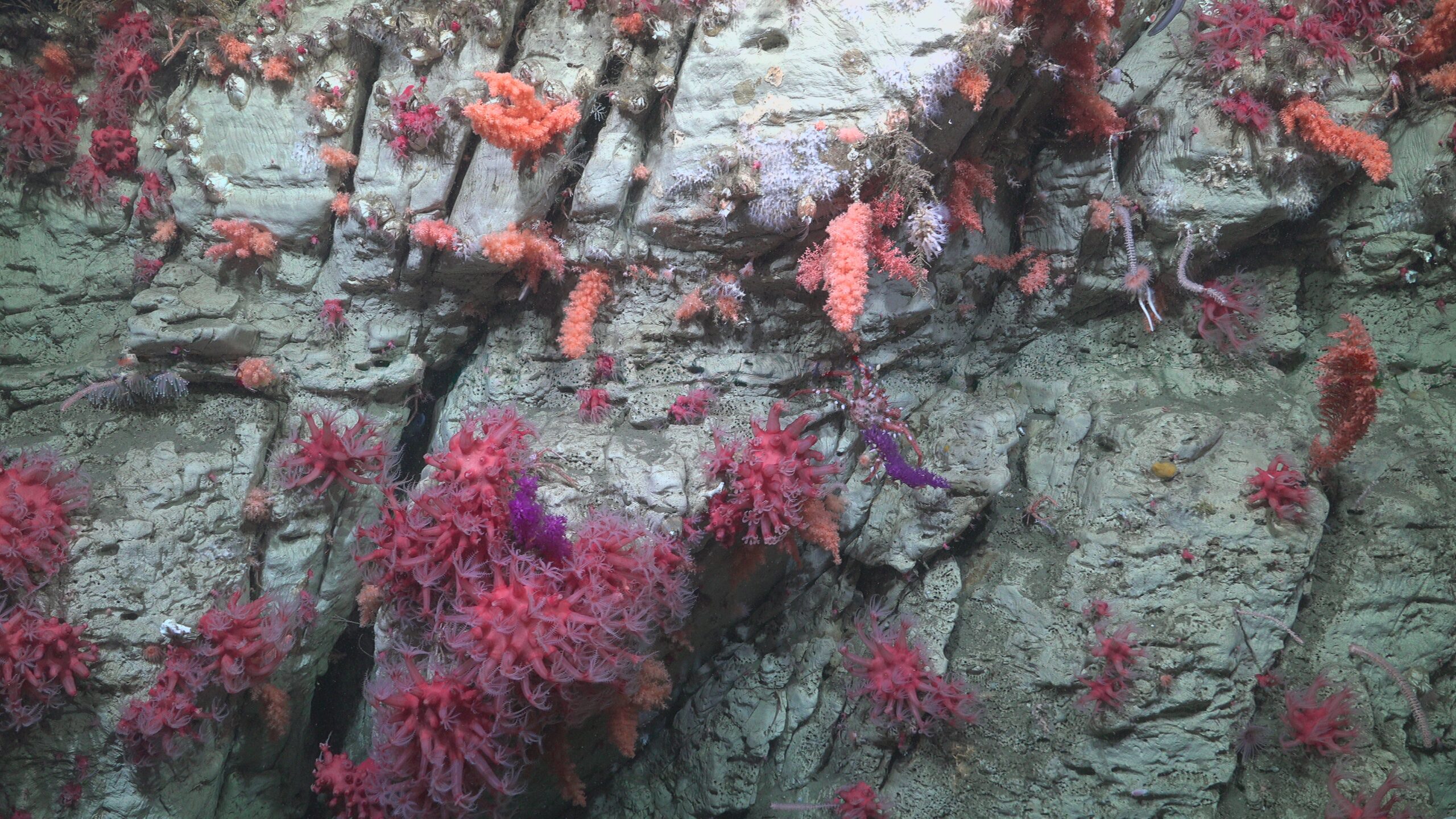
Lo más importante para el equipo científico es que el ROV SuBastian les permitirá visualizar el fondo marino y sus habitantes, aportando evidencia de jardines de coral y comunidades animales que saben que existen pero que nunca han visto en su entorno natural, y probablemente descubriendo muchas especies nuevas en la zona que nunca antes fueron registradas.

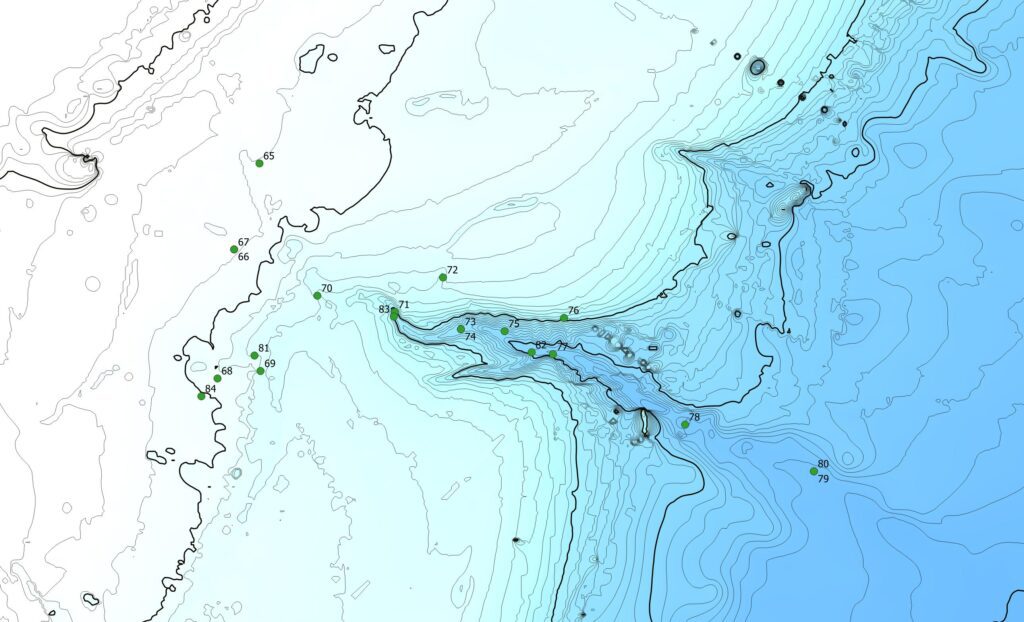
Mapa campaña

Mapa campaña

Galería de imágenes

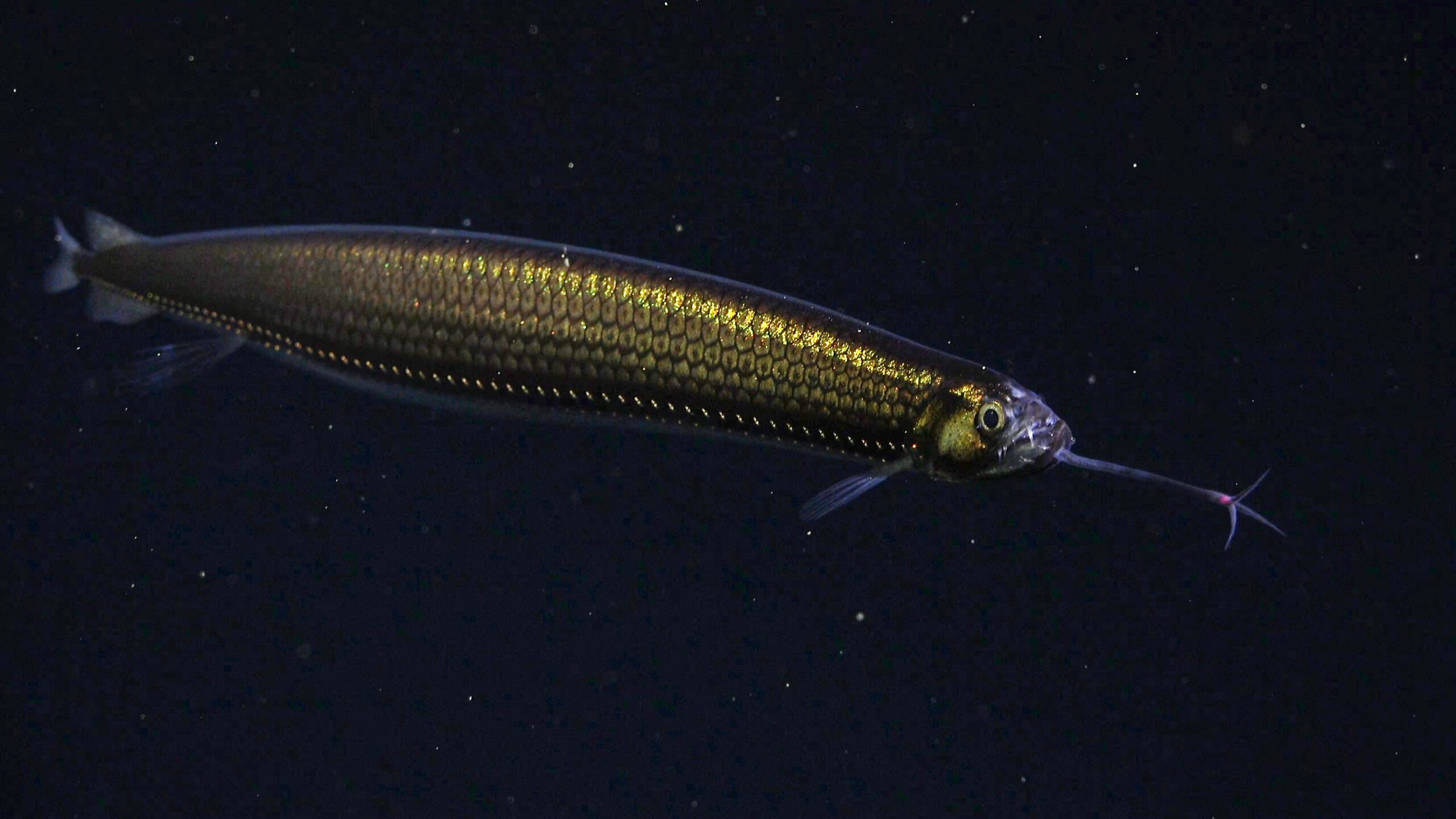
A dragonfish (an abyssal pelagic fish) is documented at 229 meters in the Mar del Plata submarine canyon in Argentina. 

Credit: ROV SuBastian / Schmidt Ocean Institute

All visual assets (Images, videos, etc) can only be used as stated by creative commons Attribution-NonCommercial-ShareAlike 
CC BY-NC-SA 

Attribution — You must give appropriate credit, provide a link to the license, and indicate if changes were made. You may do so in any reasonable manner, but not in any way that suggests the licensor endorses you or your use.

NonCommercial — You may not use the material for commercial purposes.

ShareAlike — If you remix, transform, or build upon the material, you must distribute your contributions under the same license as the original. 

https://creativecommons.org/licenses/by-nc-sa/4.0/

A dragonfish (an abyssal pelagic fish) is documented at 229 meters in the Mar del Plata submarine canyon in Argentina.…
. 

CREDIT: ROV SuBastian / Schmidt Ocean Institute
. CREDIT: ROV SuBastian / Schmidt Ocean Institute

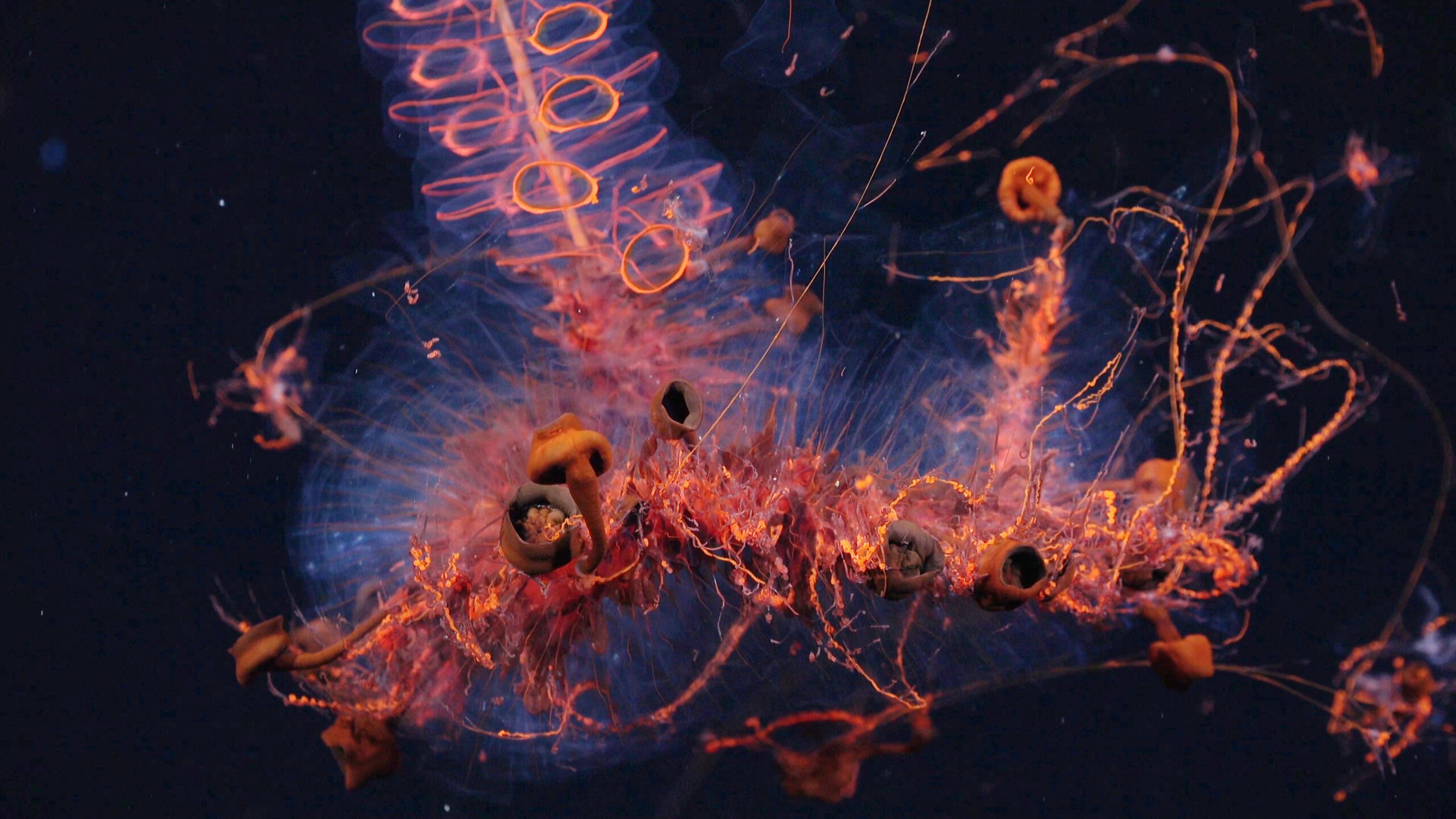
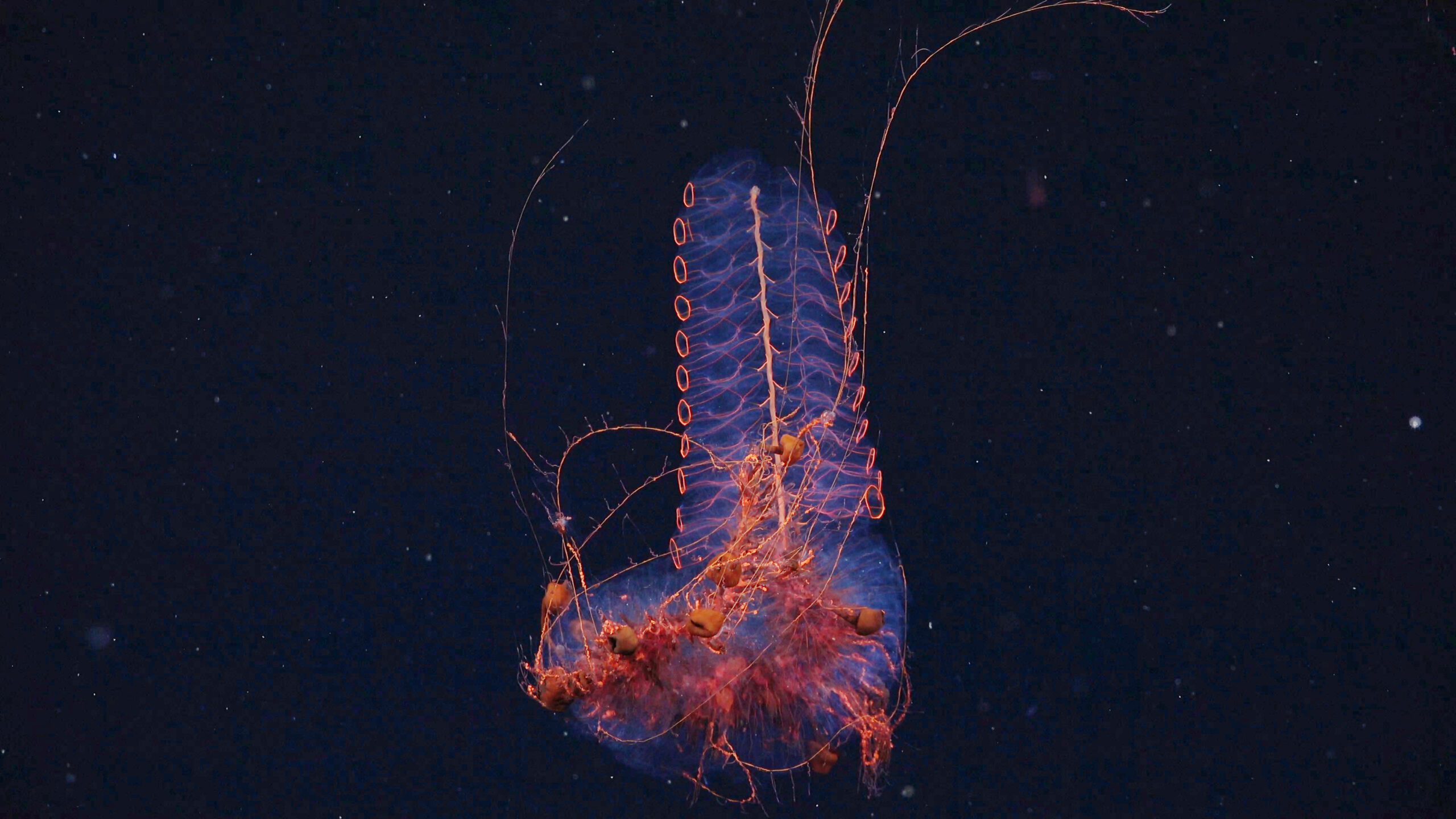
A siphonophore documented at 1250 meters deep in the Mar del Plata Canyon, off the Coast of Argentina. The deepest point is over 3,500 meters – twice as deep as the Grand Canyon. The science team documented rich biodiversity, including deep-sea coral reef environments filled with sea anemones, sea cucumbers, sea urchins, snails, and others.

Credit: ROV SuBastian / Schmidt Ocean Institute

All visual assets (Images, videos, etc) can only be used as stated by creative commons Attribution-NonCommercial-ShareAlike 
CC BY-NC-SA 

Attribution — You must give appropriate credit, provide a link to the license, and indicate if changes were made. You may do so in any reasonable manner, but not in any way that suggests the licensor endorses you or your use.

NonCommercial — You may not use the material for commercial purposes.

ShareAlike — If you remix, transform, or build upon the material, you must distribute your contributions under the same license as the original. 

https://creativecommons.org/licenses/by-nc-sa/4.0/

A siphonophore documented at 1250 meters deep in the Mar del Plata Canyon, off the Coast of Argentina. The deepest…
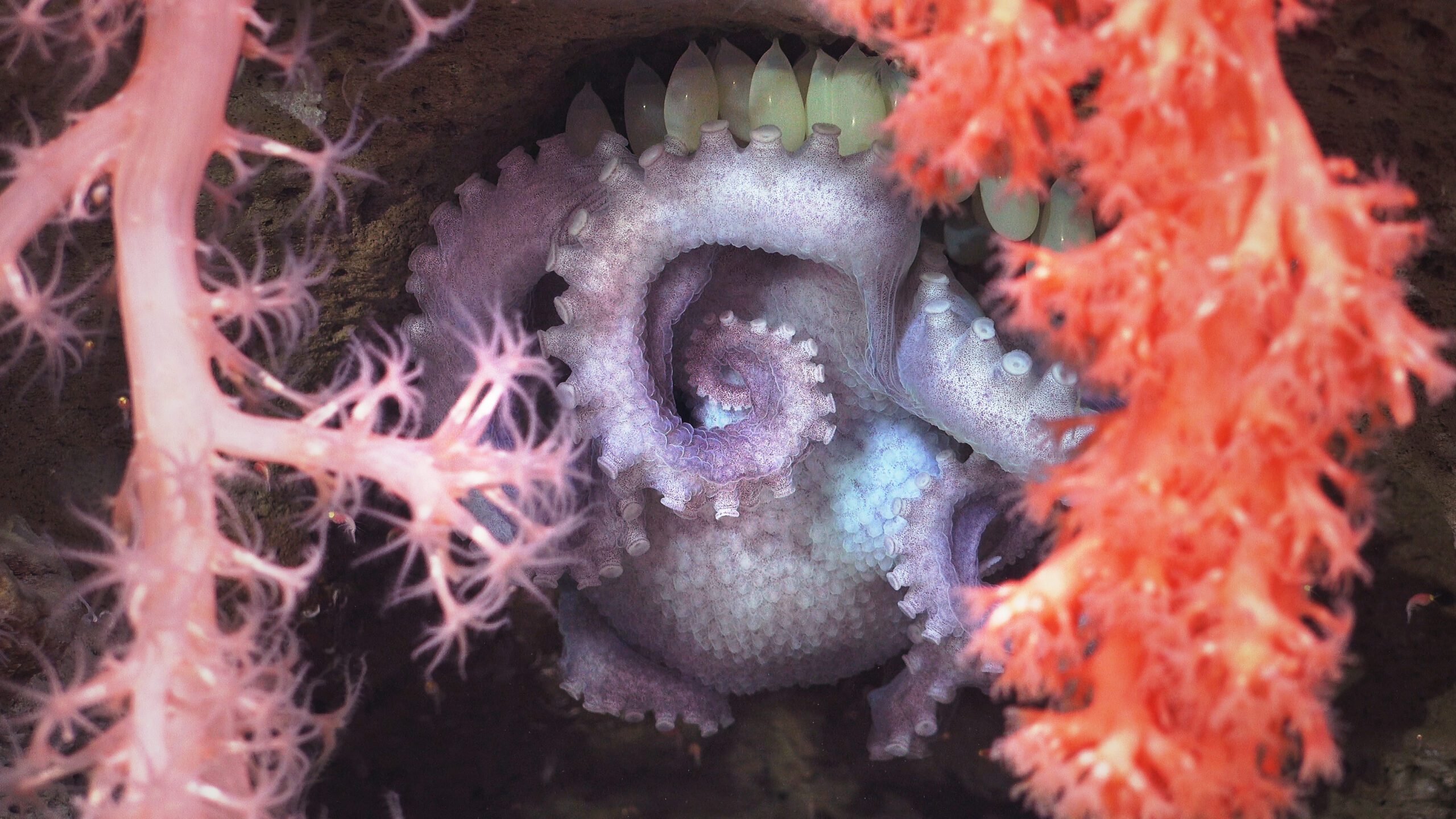
A brooding mother octopus shelters her eggs behind two different types of corals. The image was made by pilots using a robot to explore the north wall of the Mar Del Plata submarine canyon in Argentina, as part of a scientific expedition. The deepest point is over 3,500 meters – twice as deep as the Grand Canyon. The science team documented rich biodiversity, including deep-sea coral reef environments filled with sea anemones, sea cucumbers, sea urchins, snails, and others.  

Credit: ROV SuBastian / Schmidt Ocean Institute

All visual assets (Images, videos, etc) can only be used as stated by creative commons Attribution-NonCommercial-ShareAlike 
CC BY-NC-SA 

Attribution — You must give appropriate credit, provide a link to the license, and indicate if changes were made. You may do so in any reasonable manner, but not in any way that suggests the licensor endorses you or your use.

NonCommercial — You may not use the material for commercial purposes.

ShareAlike — If you remix, transform, or build upon the material, you must distribute your contributions under the same license as the original. 

https://creativecommons.org/licenses/by-nc-sa/4.0/

A brooding mother octopus shelters her eggs behind two different types of corals. The image was made by pilots using…
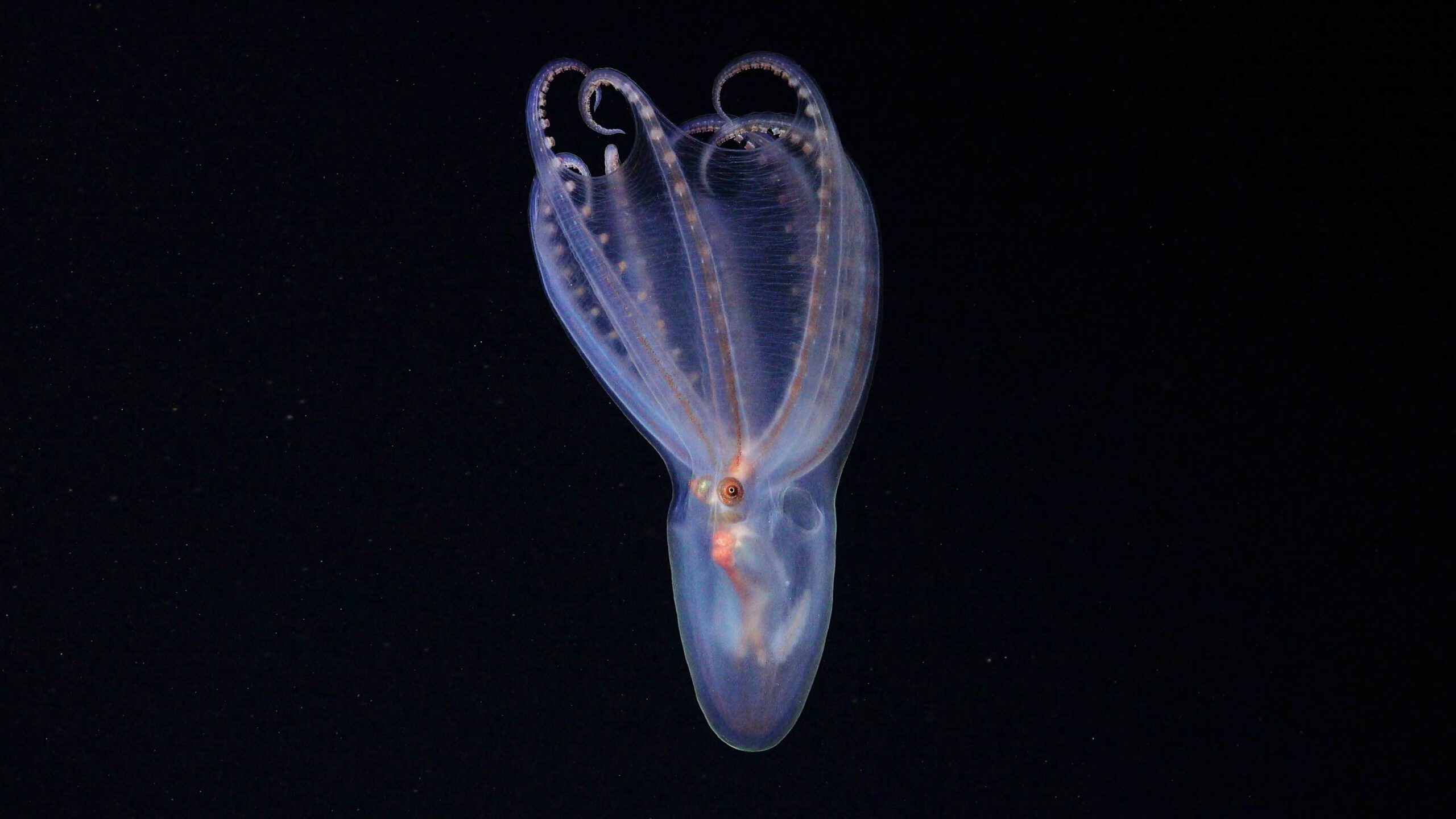
This telescope octopus (Amphitretus sp.) is transparent and pelagic (open-ocean dwelling). Documented at 888 meters the Mar del Plata Canyon, one of Argentina’s largest underwater canyons. The deepest point is over 3,500 meters – twice as deep as the Grand Canyon. The science team documented rich biodiversity, including deep-sea coral reef environments filled with sea anemones, sea cucumbers, sea urchins, snails, and others.

Credit: ROV SuBastian / Schmidt Ocean Institute

All visual assets (Images, videos, etc) can only be used as stated by creative commons Attribution-NonCommercial-ShareAlike 
CC BY-NC-SA 

Attribution — You must give appropriate credit, provide a link to the license, and indicate if changes were made. You may do so in any reasonable manner, but not in any way that suggests the licensor endorses you or your use.

NonCommercial — You may not use the material for commercial purposes.

ShareAlike — If you remix, transform, or build upon the material, you must distribute your contributions under the same license as the original. 

https://creativecommons.org/licenses/by-nc-sa/4.0/

This telescope octopus (Amphitretus sp.) is transparent and pelagic (open-ocean dwelling). Documented at 888 meters the Mar del Plata Canyon,…
. 

CREDIT: ROV SuBastian / Schmidt Ocean Institute
. CREDIT: ROV SuBastian / Schmidt Ocean Institute

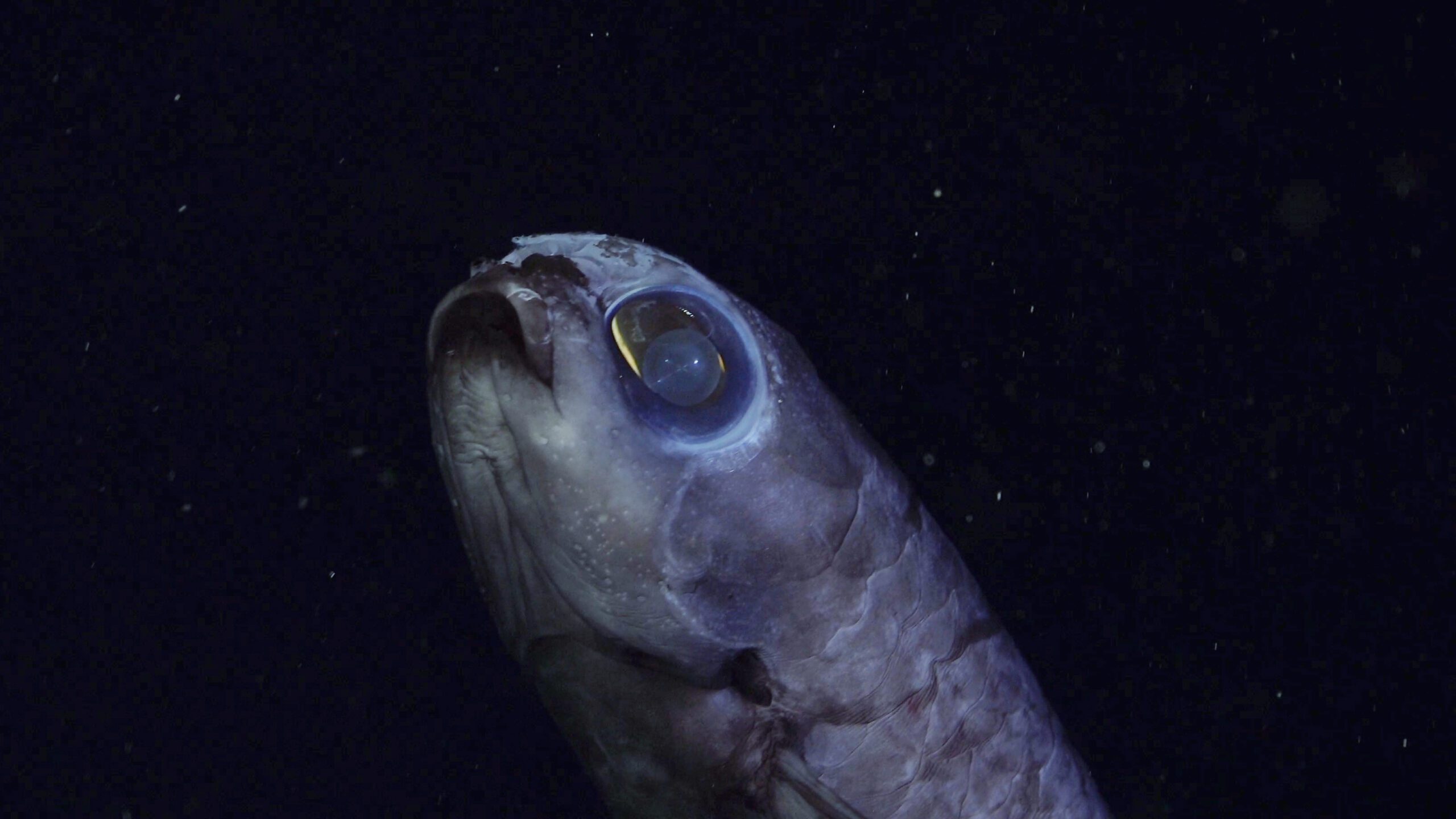
Fish in the family Myctophidae are commonly known as Lanternfishes, the most widely distributed and diverse fishes in the deep ocean midwaters. Documented at a depth of 2412 meters. The expedition took place in the Mar del Plata Canyon, off the Coast of Argentina. The deepest point is over 3,500 meters – twice as deep as the Grand Canyon. The science team documented rich biodiversity, including deep-sea coral reef environments filled with sea anemones, sea cucumbers, sea urchins, snails, and others.

Credit: ROV SuBastian / Schmidt Ocean Institute

All visual assets (Images, videos, etc) can only be used as stated by creative commons Attribution-NonCommercial-ShareAlike 
CC BY-NC-SA 

Attribution — You must give appropriate credit, provide a link to the license, and indicate if changes were made. You may do so in any reasonable manner, but not in any way that suggests the licensor endorses you or your use.

NonCommercial — You may not use the material for commercial purposes.

ShareAlike — If you remix, transform, or build upon the material, you must distribute your contributions under the same license as the original. 

https://creativecommons.org/licenses/by-nc-sa/4.0/

Fish in the family Myctophidae are commonly known as Lanternfishes, the most widely distributed and diverse fishes in the deep…
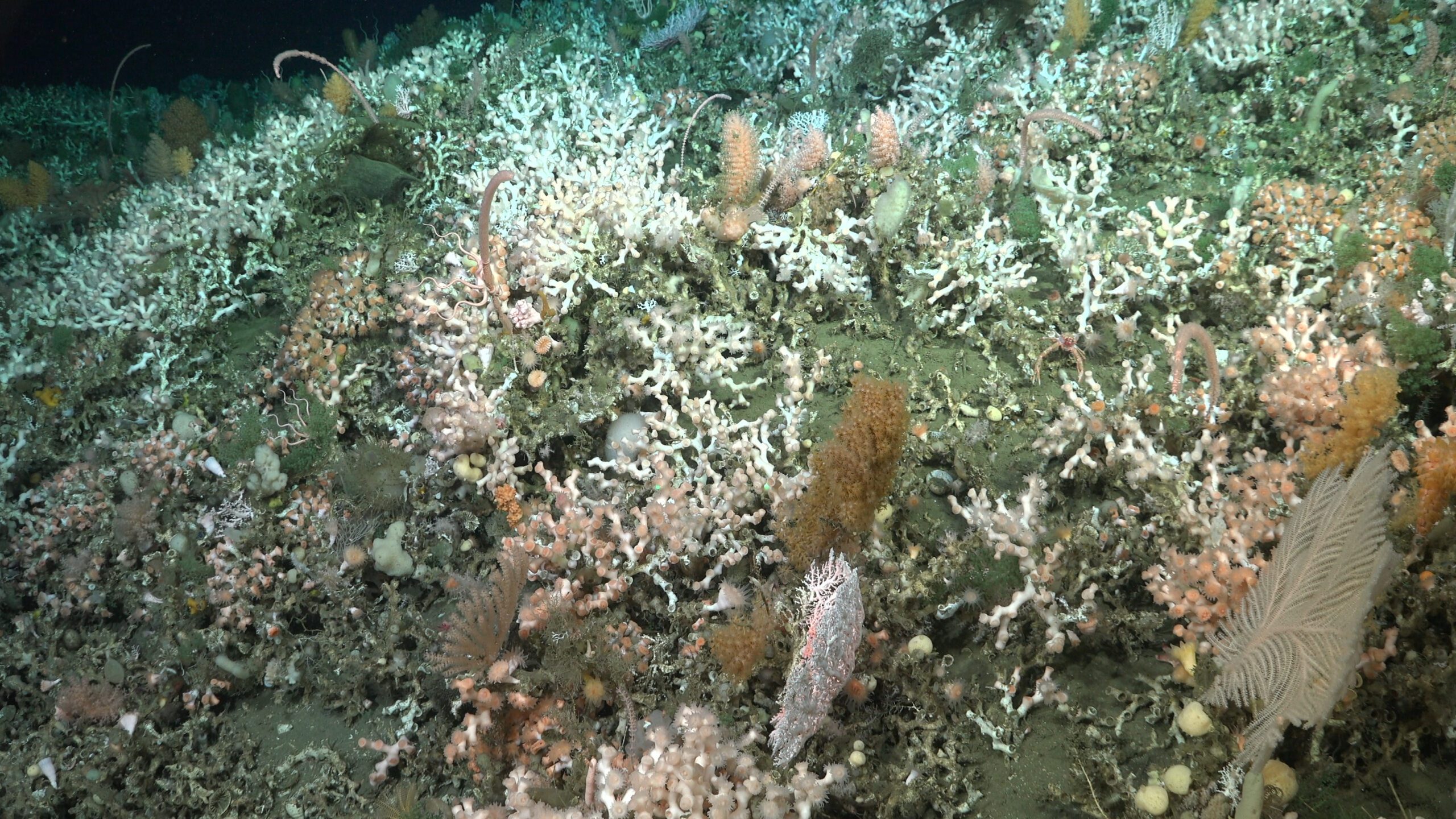
A large Bathelia candida reef discovered 1014 meters (more than half a mile deep). The stony, habitat-forming coral species was not expected to be in this area in such quantities. The expedition took place in the Mar del Plata Canyon, off the Coast of Argentina. The deepest point is over 3,500 meters – twice as deep as the Grand Canyon. The science team documented rich biodiversity, including deep-sea coral reef environments filled with sea anemones, sea cucumbers, sea urchins, snails, and others.

Credit: ROV SuBastian / Schmidt Ocean Institute

All visual assets (Images, videos, etc) can only be used as stated by creative commons Attribution-NonCommercial-ShareAlike 
CC BY-NC-SA 

Attribution — You must give appropriate credit, provide a link to the license, and indicate if changes were made. You may do so in any reasonable manner, but not in any way that suggests the licensor endorses you or your use.

NonCommercial — You may not use the material for commercial purposes.

ShareAlike — If you remix, transform, or build upon the material, you must distribute your contributions under the same license as the original. 

https://creativecommons.org/licenses/by-nc-sa/4.0/

A large Bathelia candida reef discovered 1014 meters (more than half a mile deep). The stony, habitat-forming coral species was…
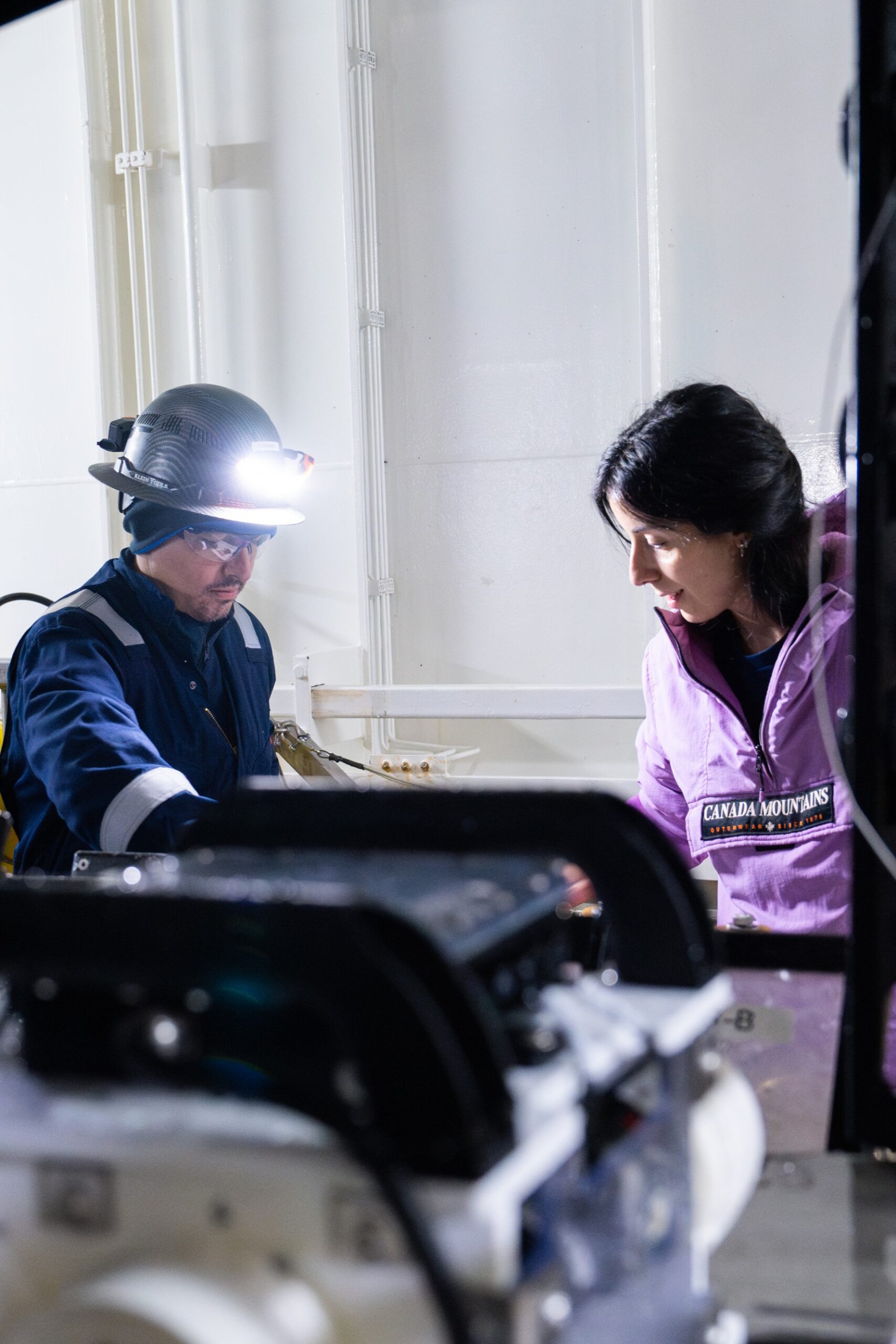
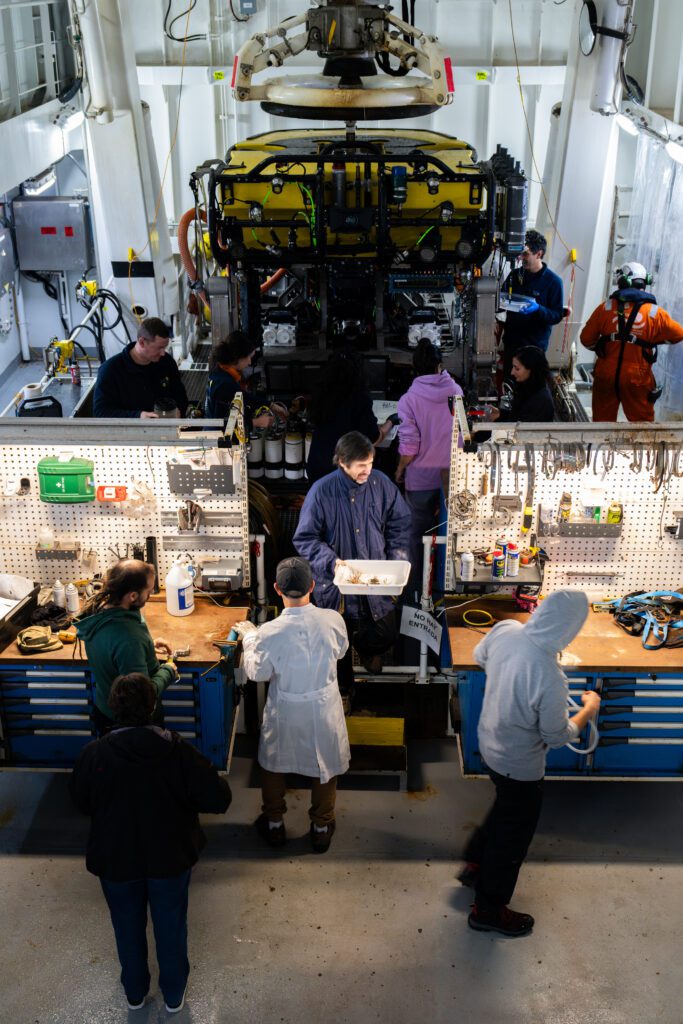
ROV technician Leo Alcantara helps Renata Pertossi, postdoctoral researcher at CONICET to retrieve samples from ROV SuBastian

ROV technician Leo Alcantara helps Renata Pertossi, postdoctoral researcher at CONICET to retrieve samples from ROV SuBastian

(L-R) Emiliano Ocampo (Associate Researcher, CONICET) and Graziella Bozzano (Senior Marine Geologist, Argentine Navy) and begin to process a sediment sample brought from the seafloor by ROV SuBastian.

Credit: Misha Vallejo Prut / Schmidt Ocean Institute

All visual assets (Images, videos, etc) can only be used as stated by creative commons Attribution-NonCommercial-ShareAlike 
CC BY-NC-SA 

Attribution — You must give appropriate credit, provide a link to the license, and indicate if changes were made. You may do so in any reasonable manner, but not in any way that suggests the licensor endorses you or your use.

NonCommercial — You may not use the material for commercial purposes.

ShareAlike — If you remix, transform, or build upon the material, you must distribute your contributions under the same license as the original. 

https://creativecommons.org/licenses/by-nc-sa/4.0/

(L-R) Emiliano Ocampo (Associate Researcher, CONICET) and Graziella Bozzano (Senior Marine Geologist, Argentine Navy) and begin to process a sediment…
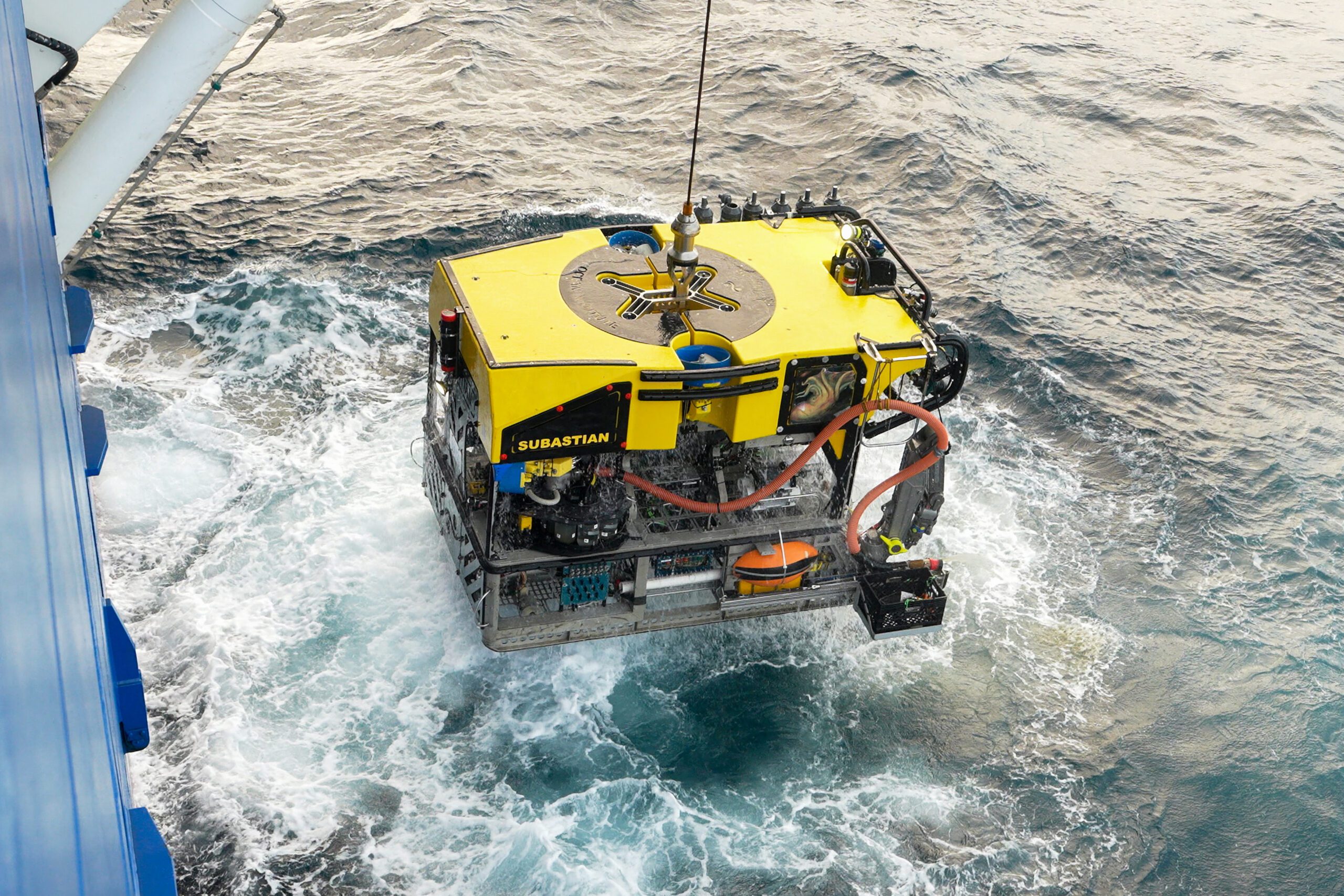
ROV SuBastian is recovered onto research vessel Falkor (too) off Argentina's coast above the Mar del Plata underwater canyon.

Credit: Misha Vallejo Prut / Schmidt Ocean Institute

All visual assets (Images, videos, etc) can only be used as stated by creative commons Attribution-NonCommercial-ShareAlike 
CC BY-NC-SA 

Attribution — You must give appropriate credit, provide a link to the license, and indicate if changes were made. You may do so in any reasonable manner, but not in any way that suggests the licensor endorses you or your use.

NonCommercial — You may not use the material for commercial purposes.

ShareAlike — If you remix, transform, or build upon the material, you must distribute your contributions under the same license as the original. 

https://creativecommons.org/licenses/by-nc-sa/4.0/

ROV SuBastian is recovered onto research vessel Falkor (too) off Argentina's coast above the Mar del Plata underwater canyon. Credit:…
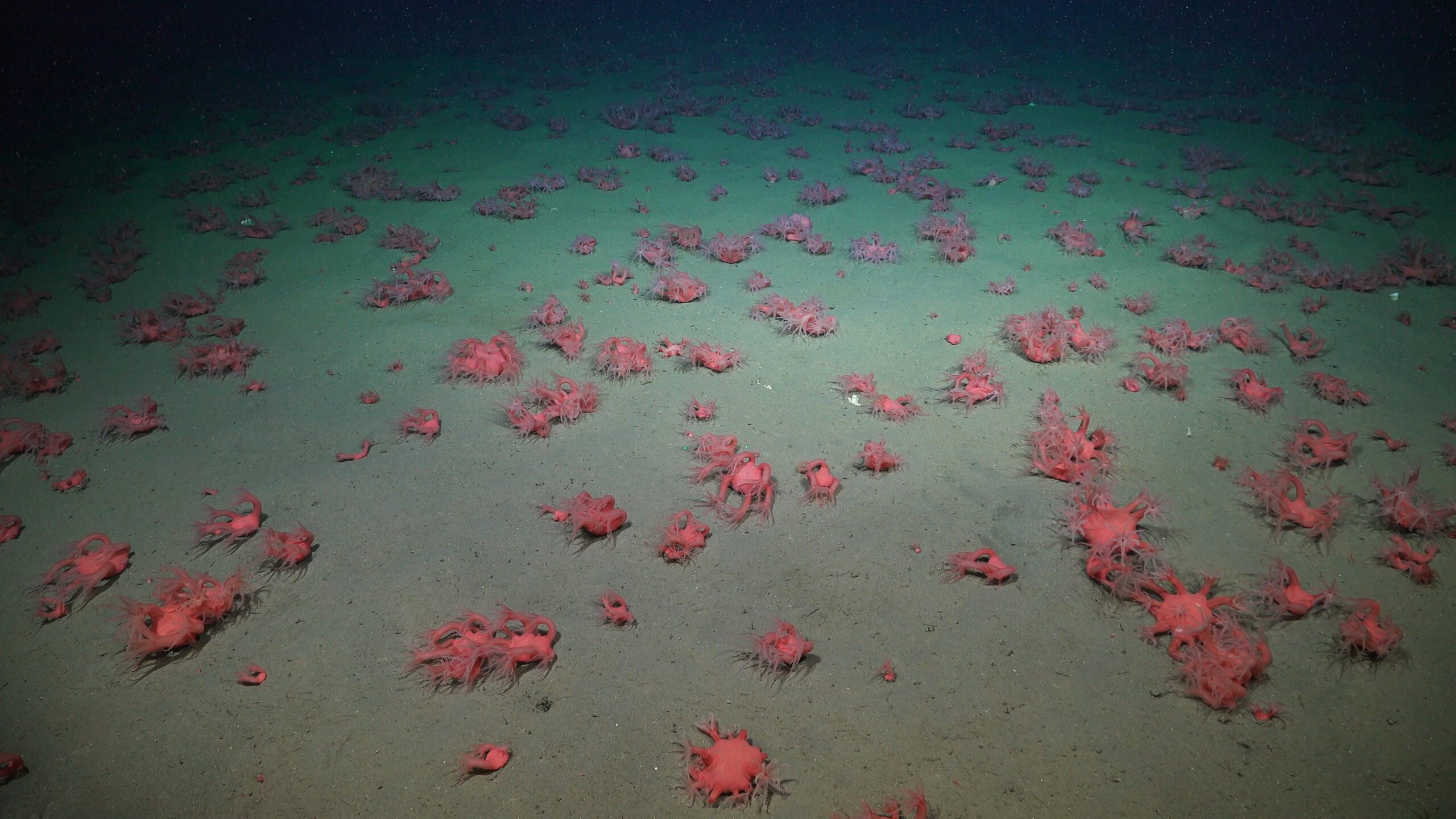
At 1500 meters depth (nearly a mile), researchers found a sprawling field of red Anthomastus sp., a deep-sea soft coral known as a mushroom coral in the the Mar del Plata submarine canyon in Argentina.

Credit: ROV SuBastian / Schmidt Ocean Institute

All visual assets (Images, videos, etc) can only be used as stated by creative commons Attribution-NonCommercial-ShareAlike 
CC BY-NC-SA 

Attribution — You must give appropriate credit, provide a link to the license, and indicate if changes were made. You may do so in any reasonable manner, but not in any way that suggests the licensor endorses you or your use.

NonCommercial — You may not use the material for commercial purposes.

ShareAlike — If you remix, transform, or build upon the material, you must distribute your contributions under the same license as the original. 

https://creativecommons.org/licenses/by-nc-sa/4.0/

At 1500 meters depth (nearly a mile), researchers found a sprawling field of red Anthomastus sp., a deep-sea soft coral…
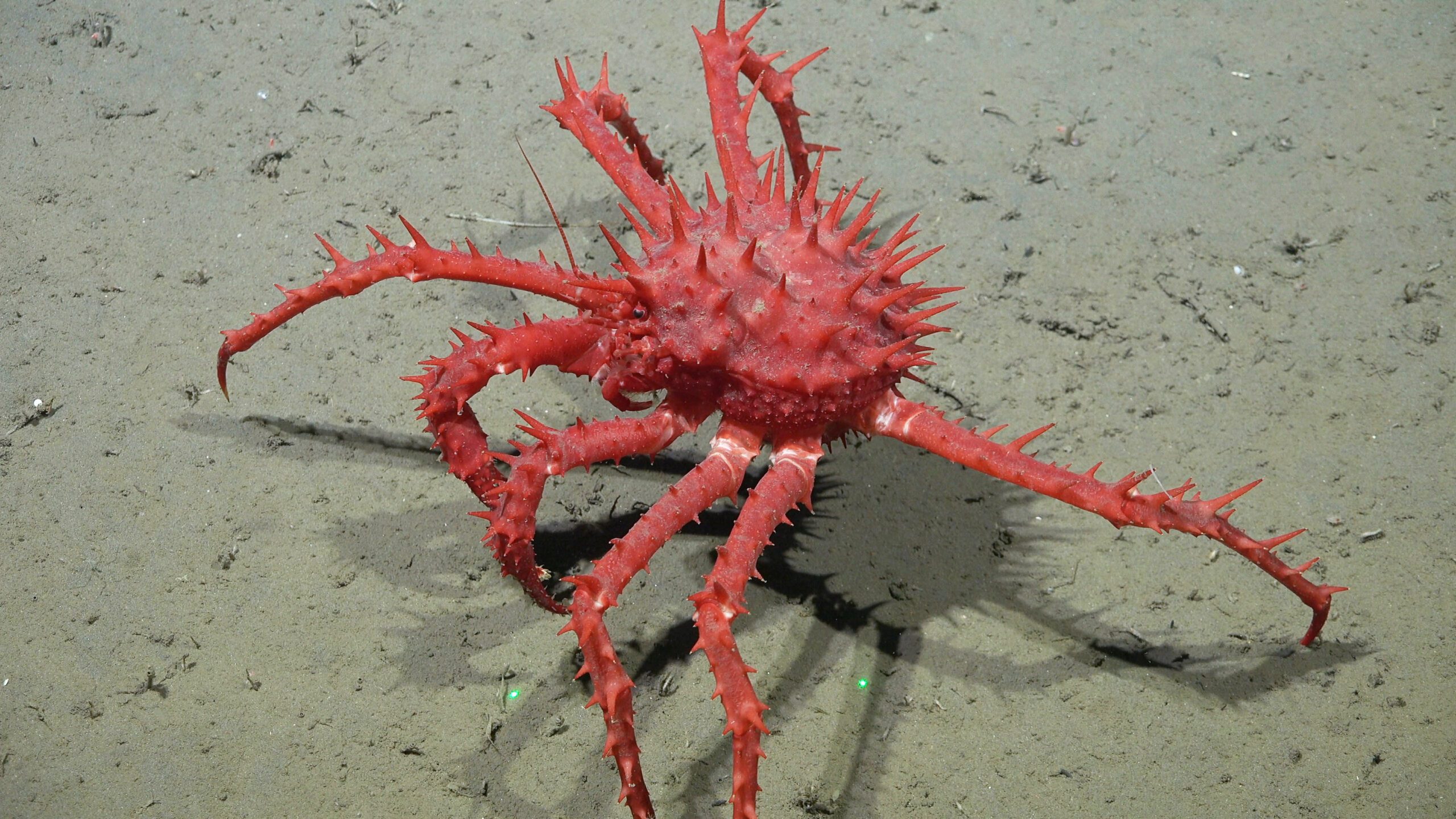
A Lithode crab is documented in the Mar del Plata submarine canyon in Argentina.

Credit: ROV SuBastian / Schmidt Ocean Institute

All visual assets (Images, videos, etc) can only be used as stated by creative commons Attribution-NonCommercial-ShareAlike 
CC BY-NC-SA 

Attribution — You must give appropriate credit, provide a link to the license, and indicate if changes were made. You may do so in any reasonable manner, but not in any way that suggests the licensor endorses you or your use.

NonCommercial — You may not use the material for commercial purposes.

ShareAlike — If you remix, transform, or build upon the material, you must distribute your contributions under the same license as the original. 

https://creativecommons.org/licenses/by-nc-sa/4.0/

A Lithode crab is documented in the Mar del Plata submarine canyon in Argentina. Credit: ROV SuBastian / Schmidt Ocean…
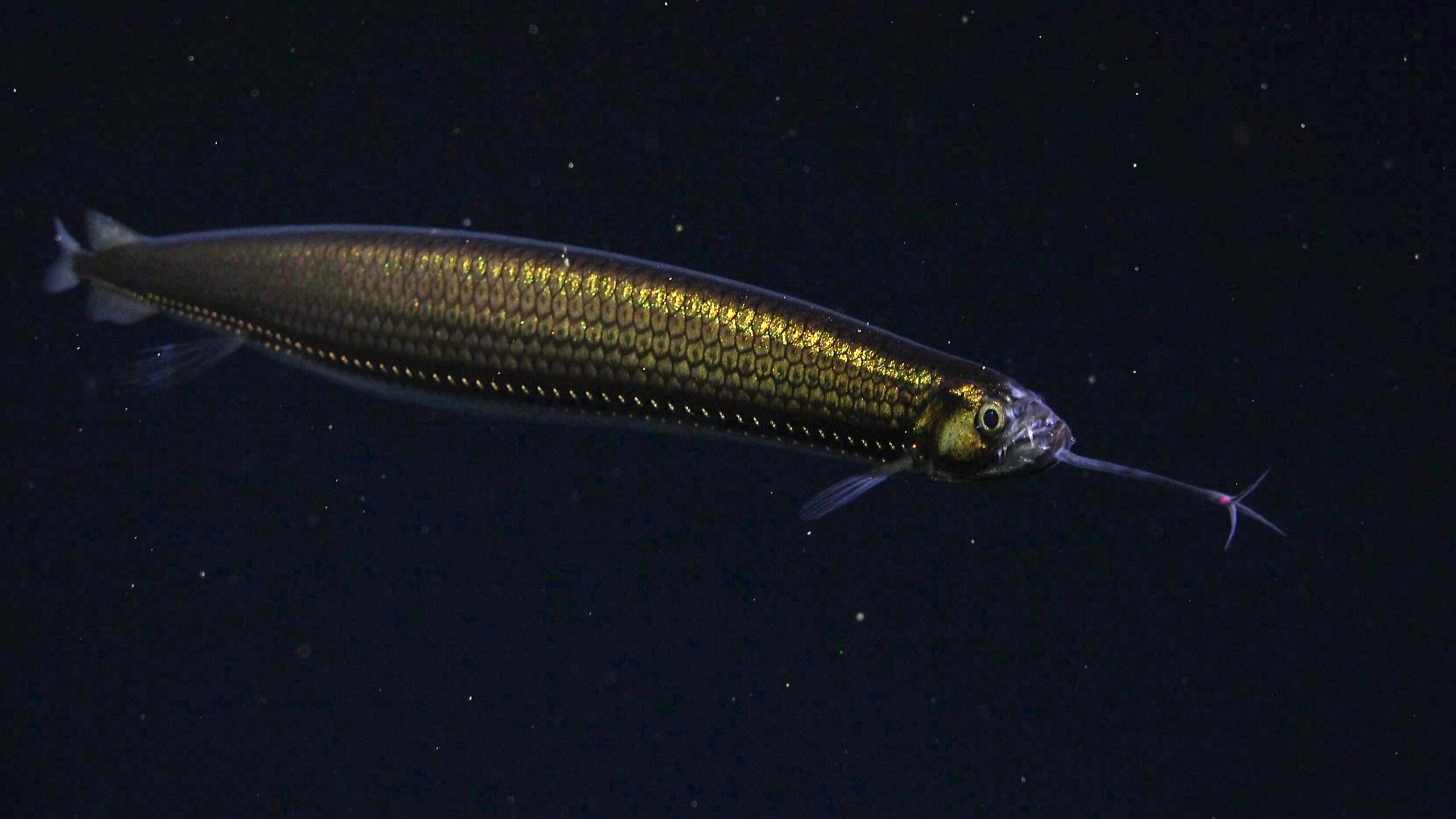
A dragonfish (an abyssal pelagic fish) is documented at 229 meters in the Mar del Plata submarine canyon in Argentina. 

Credit: ROV SuBastian / Schmidt Ocean Institute

All visual assets (Images, videos, etc) can only be used as stated by creative commons Attribution-NonCommercial-ShareAlike 
CC BY-NC-SA 

Attribution — You must give appropriate credit, provide a link to the license, and indicate if changes were made. You may do so in any reasonable manner, but not in any way that suggests the licensor endorses you or your use.

NonCommercial — You may not use the material for commercial purposes.

ShareAlike — If you remix, transform, or build upon the material, you must distribute your contributions under the same license as the original. 

https://creativecommons.org/licenses/by-nc-sa/4.0/

A dragonfish (an abyssal pelagic fish) is documented at 229 meters in the Mar del Plata submarine canyon in Argentina.…
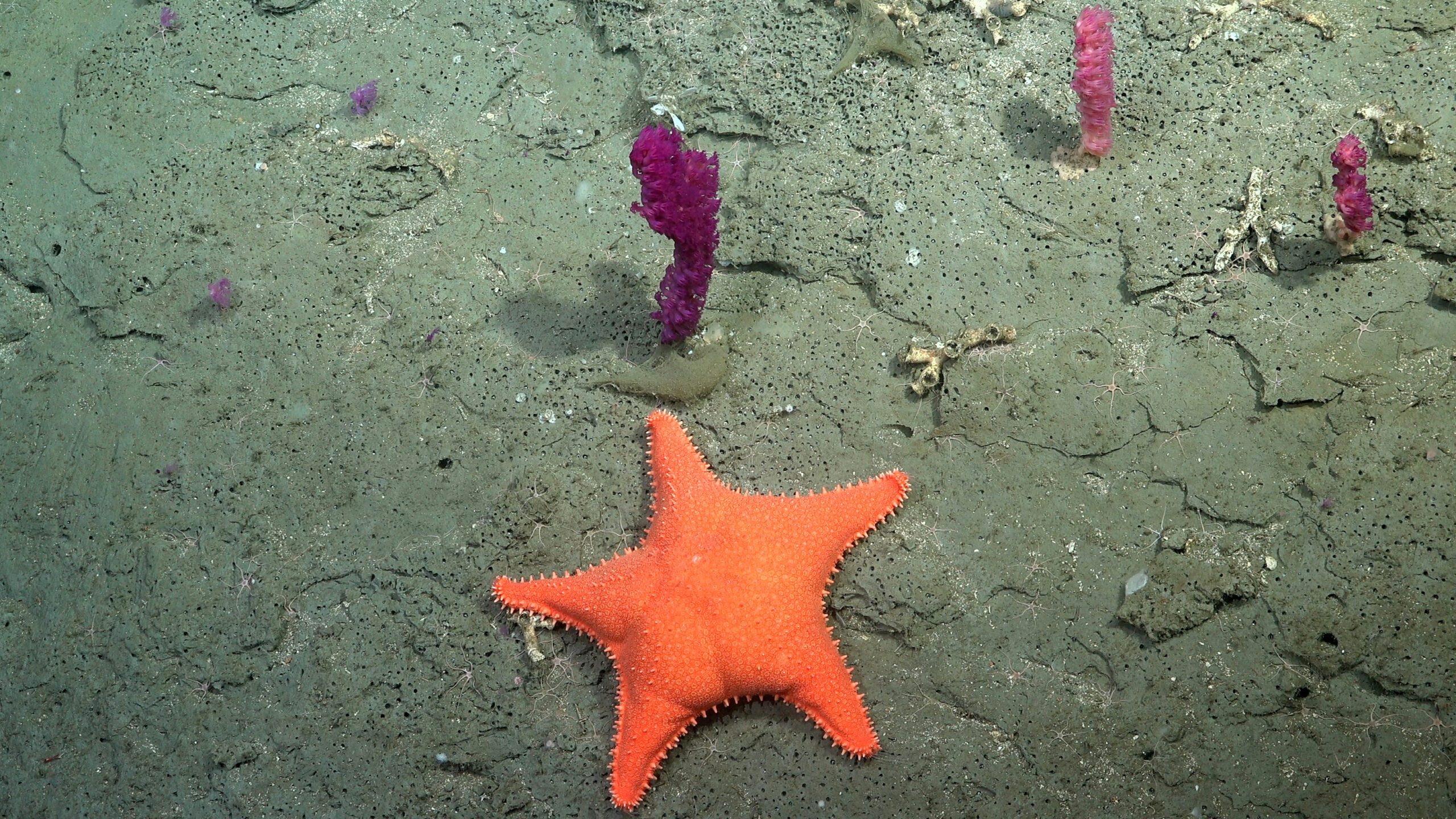
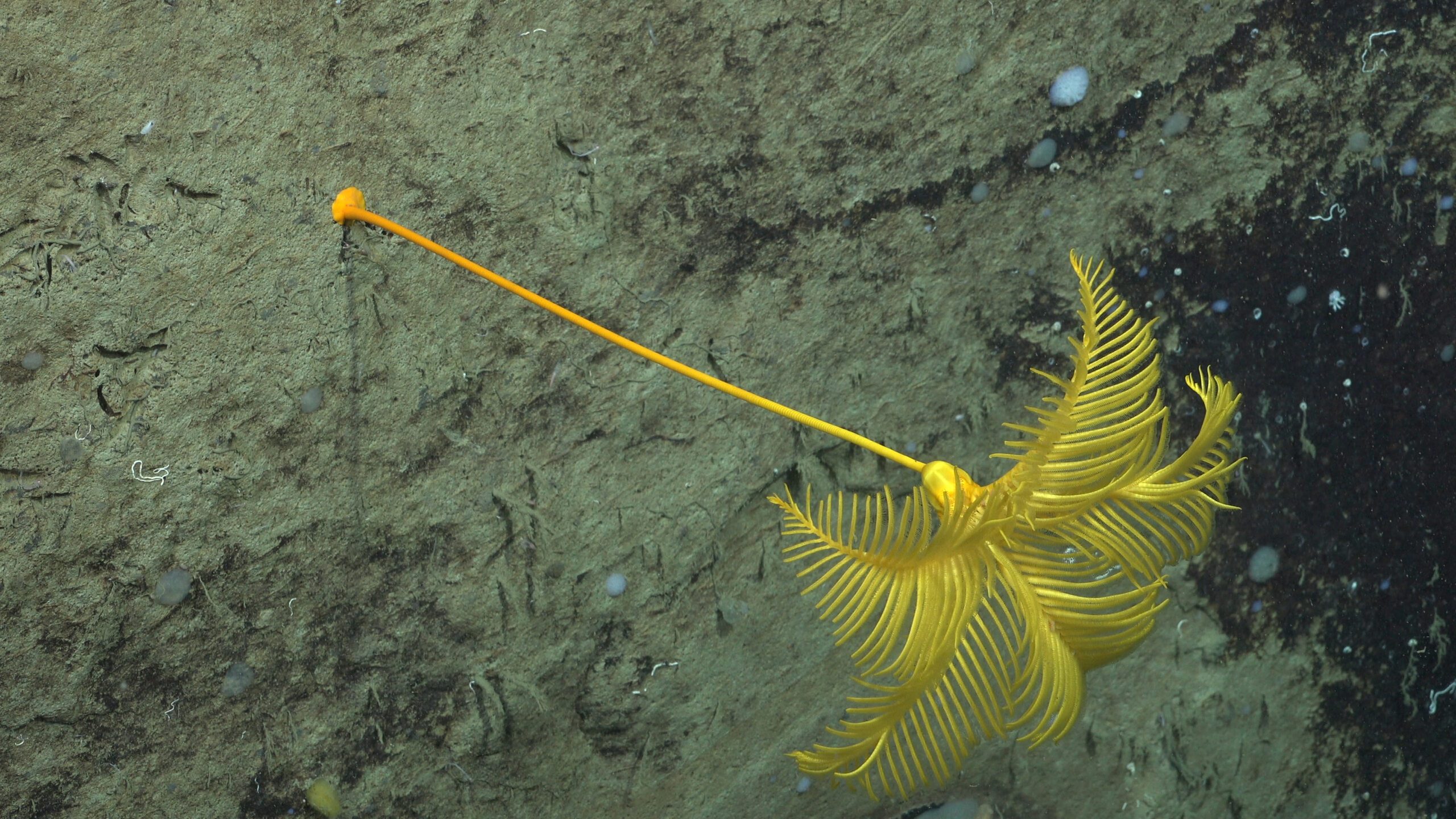
Documented in the Mar del Plata Submarine Canyon off Argentina’s coast. The Mar del Plata submarine canyon, one of Argentina’s largest and deepest underwater canyons, is estimated to be deeper than 3500 meters (more than two miles). . 

CREDIT: ROV SuBastian / Schmidt Ocean Institute

Documented in the Mar del Plata Submarine Canyon off Argentina’s coast. The Mar del Plata submarine canyon, one of Argentina’s…
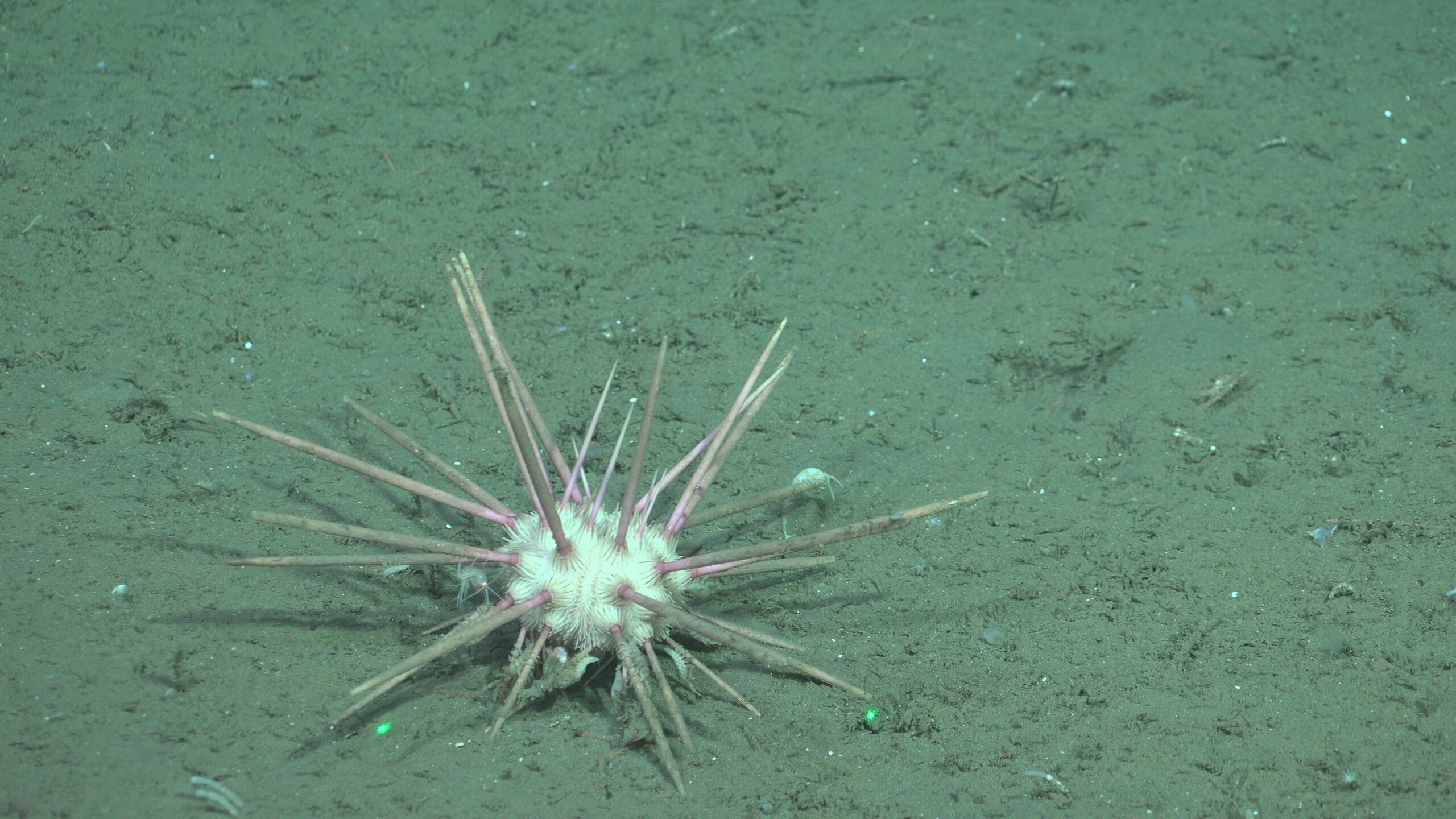
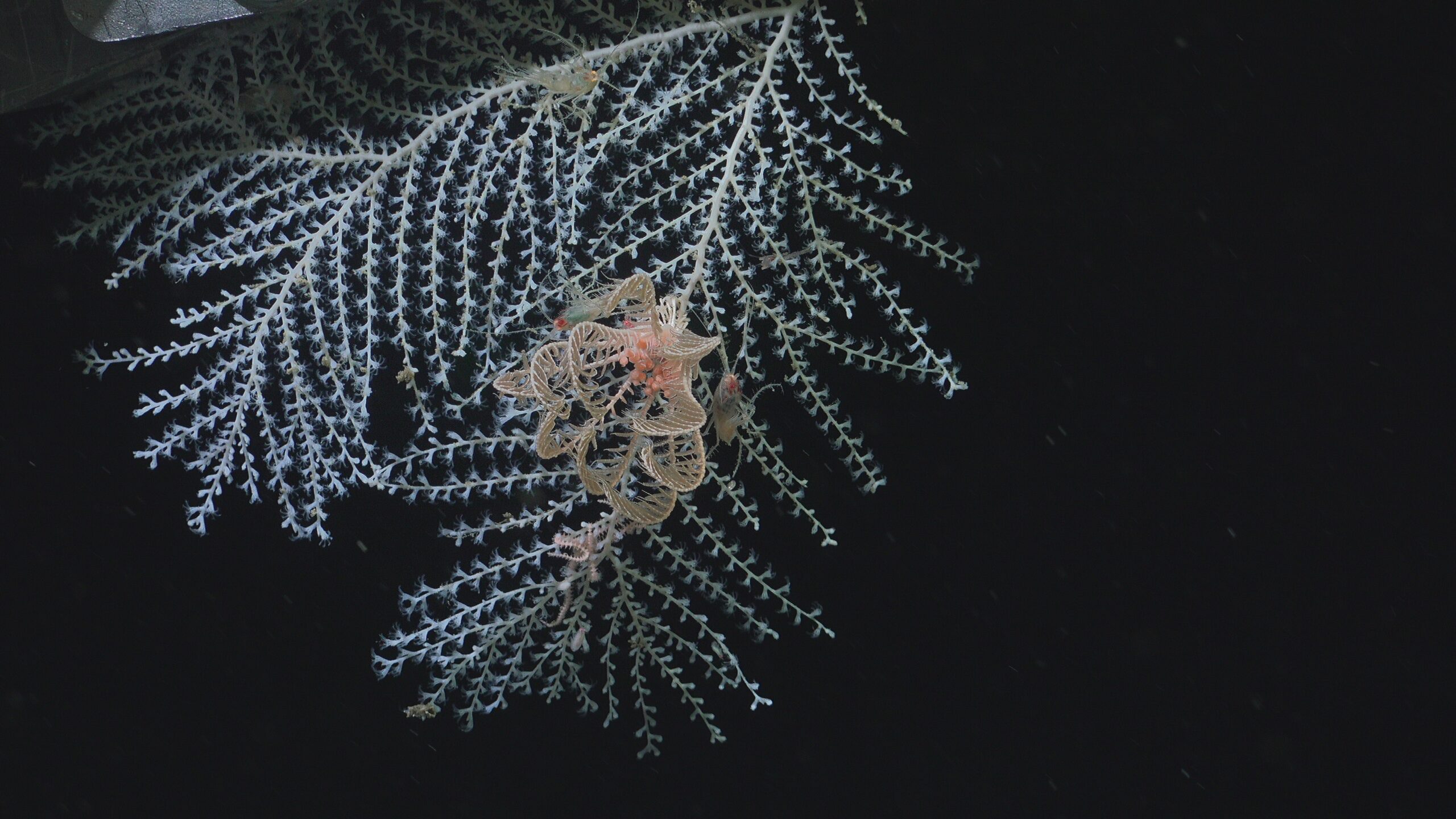
SCICAM_20250725_133353019_ASNAP
SCICAM_20250807_172235537_FRAMEGRAB
SCICAM_20250809_200659845_FRAMEGRAB
Scroll al inicio